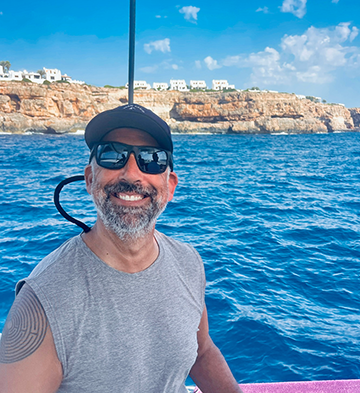
Most sailors sign up for lessons inspired by visions of chartering through the turquoise waters of the Mediterranean some day. For Bay area sailors putting in the reps in blustery summer winds and rainy winter charters, there's a moment when that dream materializes thanks to these conditions that sharpen your skills.
That leap from daydreaming to skippering abroad is shorter than it feels. Modern Sailing instructor Captain Eric Partika knows this firsthand. "I read an article on International Proficiency Certificates (IPC) in a recent MSC newsletter, which made me pause and reflect on just how grateful I am for the skills and confidence I’ve built over the years with Modern Sailing. First as a student, and now as an instructor," Eric shares.
He recently completed a multi-week summer charter skippering catamarans through Italy’s Aeolian Islands and Spain’s Balearic Sea. His experience underscored a truth we preach every day: if you can handle the unpredictable elements of the San Francisco Bay, you already have the foundational skills to sail almost anywhere in the world.
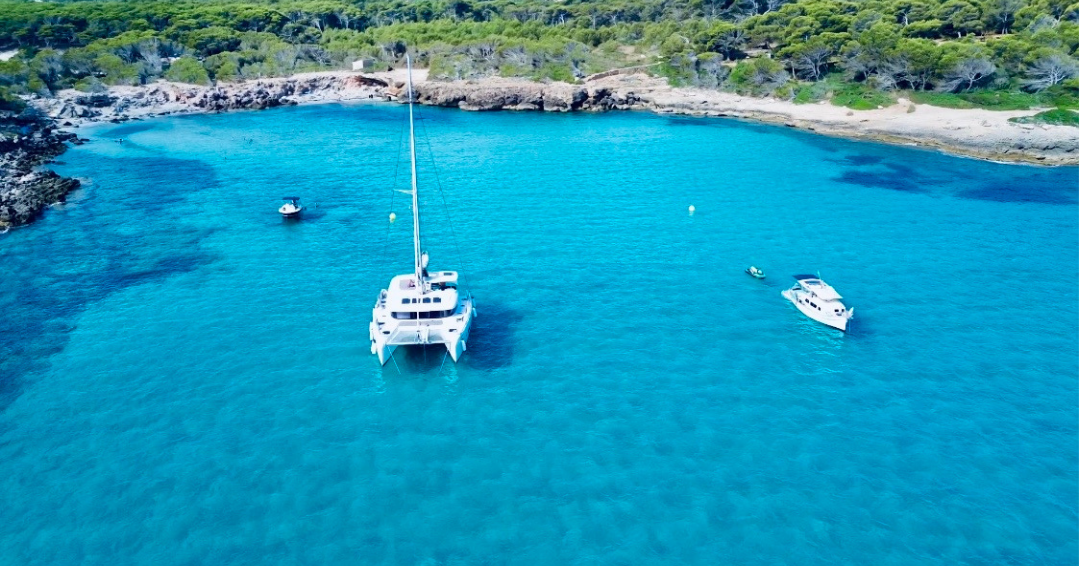
As Modern Sailing prepares for its return to the Mediterranean, heading to Greece’s Ionian Sea out of Corfu (September 25 - October 2, 2027), Captain Eric sat down to break down what it actually takes to jump from Bay cruising to skippering overseas. "Achieving the qualifications to skipper abroad has opened up an entirely new world of adventure for my family and friends, enriching our lives with experiences and destinations that would have otherwise been completely out of reach." Eric shared how his multi-week European passages highlight the direct link between ASA coursework and real-world cruising.
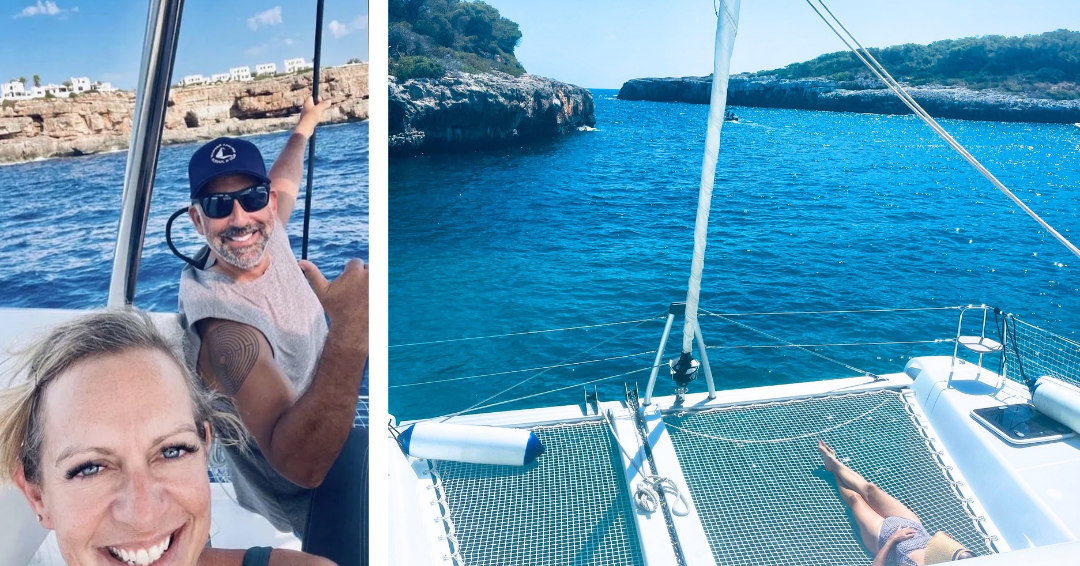
Sicily and the Aeolian Islands: Volcanic Microclimates
It all began with a two-week passage through Italy’s Aeolian archipelago, skippering a spacious five-cabin Bali 4.6 catamaran carrying a crew of ten through Lipari, Vulcano, Salina, Panarea, and Stromboli. The voyage presented a dynamic test of seamanship, beginning with the microclimates created by the massive volcanic landmasses.
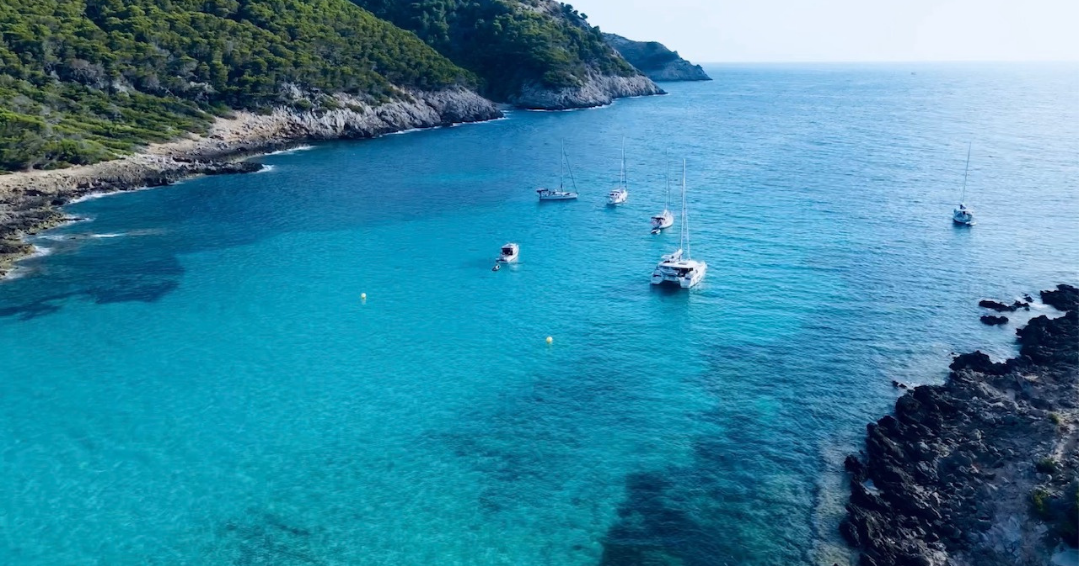
Cruising beneath the sheer, 3,000-foot volcanic peaks of these islands quickly introduced Eric to one of the Med's most volatile weather phenomena: katabatic winds. Derived from the Greek word katabatikos (meaning "going downhill") this dense, cool air tumbles straight down the vertical cliffs, triggering vertical gusts that slam onto the water at 40+ knots with virtually zero warning.
If you’ve ever sailed out of Berkeley into the Golden Gate Slot and felt the breeze instantly double, or felt heavy gusts funnel down off Sausalito's Hurricane Gulch, you already understand the basic mechanics of landform-driven wind. The Aeolian peaks operate on that exact same physical engine, just exponentially stronger.
Keeping the boat flat comes down to proactive deck discipline: keep a sharp eye on the landforms ahead, keep a hand near the traveler, and take a reef in the main before you think you need it. Fighting a 46-foot multihull with its nose buried is no way to keep a crew relaxed.
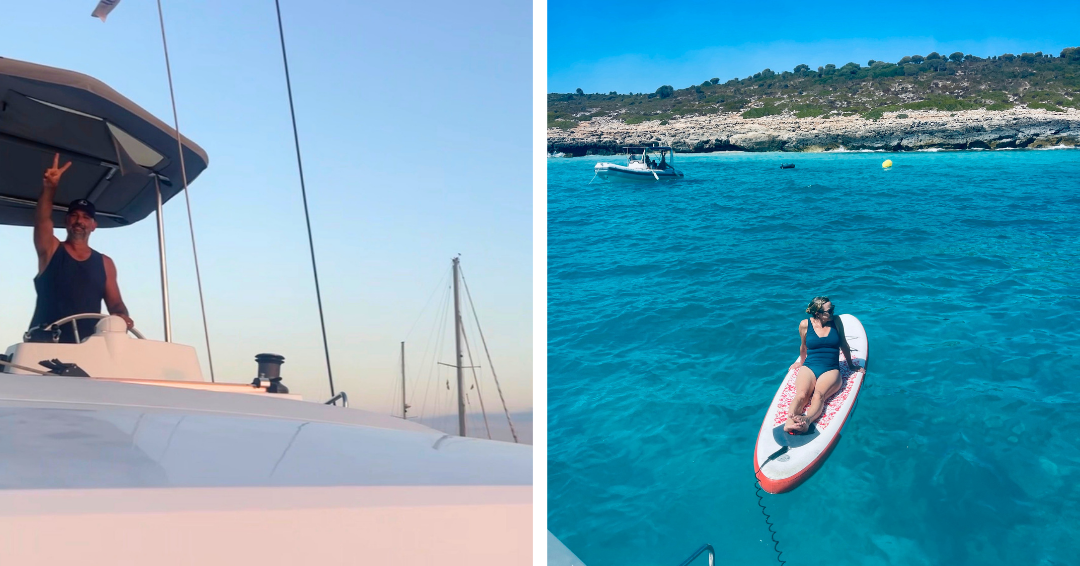
Mooring across the islands was a daily buffet of boat-handling techniques. One afternoon you’re swinging freely on the hook in an open cove, the next picking up a crowded mooring ball, and by evening executing a tight, stern-to Med-moor against a concrete quay in historic island towns like Lipari and Salina. Between passages, the crew dropped anchor in crystal-clear day spots to snorkel alongside bubbling underwater fumaroles off Panarea, sampled mineral-rich volcanic wines, and enjoyed granita and fresh swordfish at waterfront cafés as the sun went down.
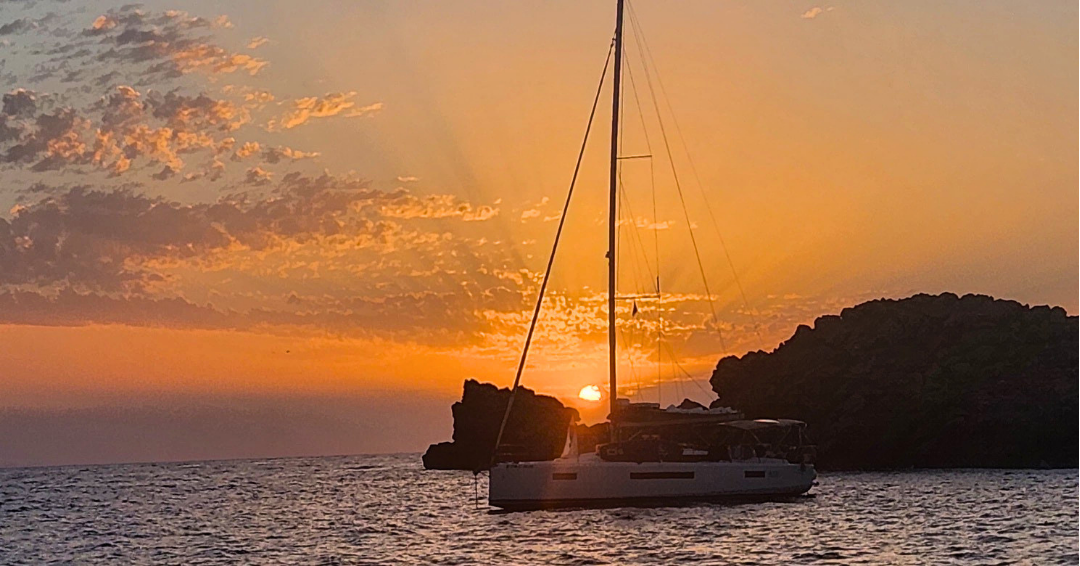
After taking in the unforgettable sight of Stromboli's active volcanic eruptions from the water at dusk, the crew had to navigate back to their mooring ball in pitch-black conditions. Stromboli is extremely remote with almost no ambient shore light, making the anchorage a dark, featureless void. Preparation started hours earlier, before dropping the hook, taking advantage of daylight. Eric established a clear navigation plan by logging their specific row position among key anchored boats in the mooring field, mapping their exact entry line using visual aids to navigation, and saving precise GPS waypoints on the chartplotter while the sun was still up. When they returned under power that night, there was zero guessing at the helm. Relying on those saved waypoints, tracking surrounding vessel lights, and keeping sharp eyes on the water brought the catamaran cleanly back to its mooring ball on the first pass.
Mallorca and the Balearic Sea: The Embat Breeze
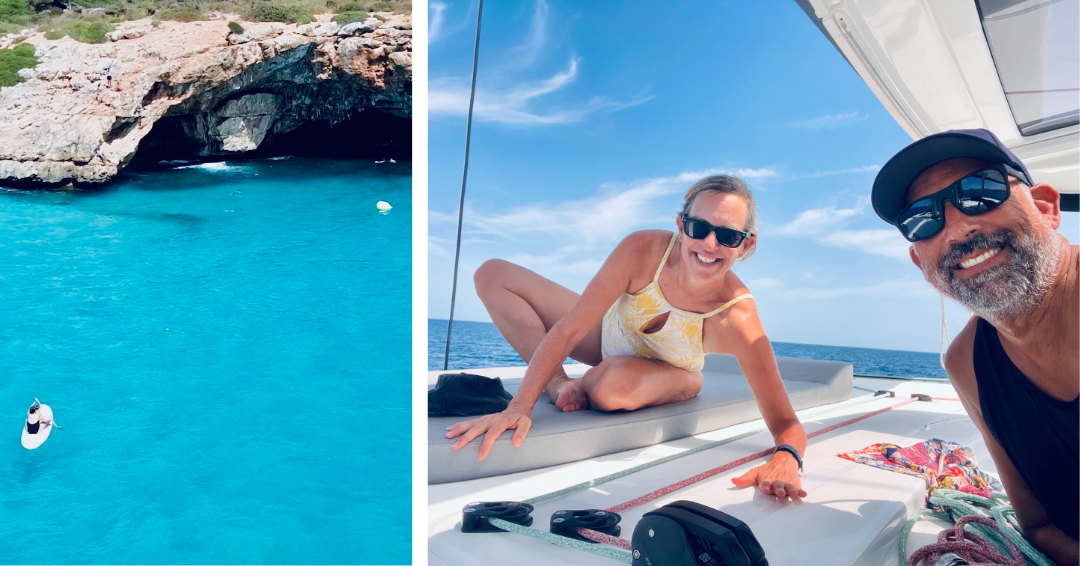
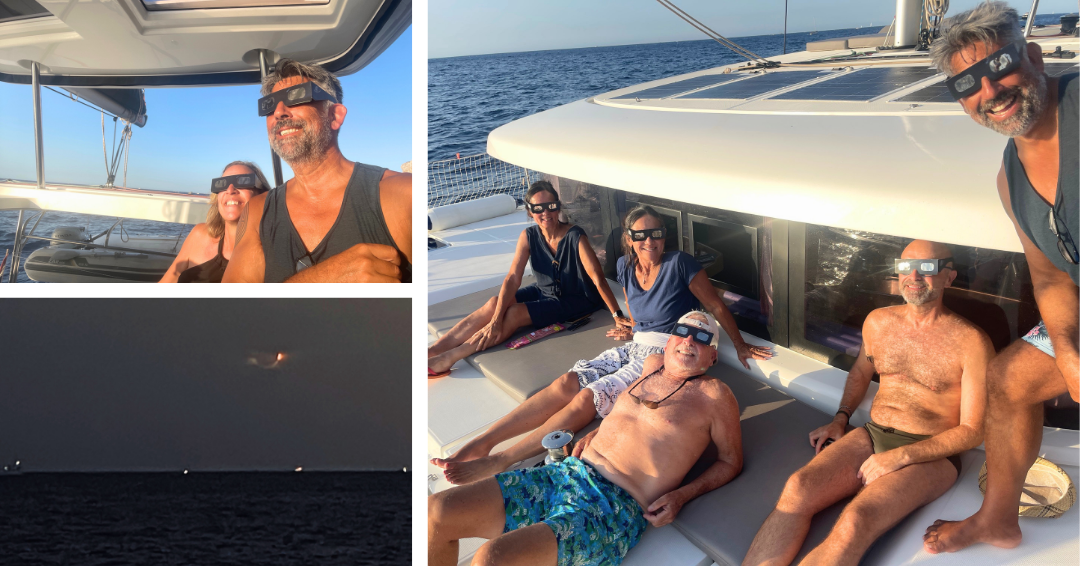
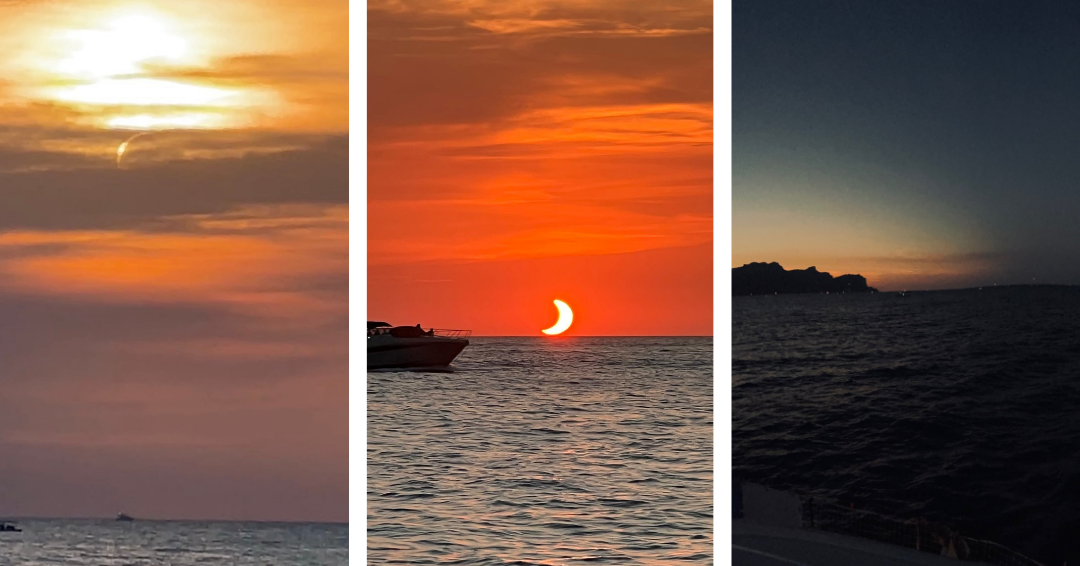
Heading west to the Balearic Islands, the crew got to sail a Lagoon 42 with a crew of eight in a circumnavigation of Mallorca. As they timed it with the impending total solar eclipse at sunset, they had the view from the water while an armada of local boats circled Cap de Formentor.
Understanding the Embat is all about working with the clock. Mornings typically start calm, meaning you’ll likely be underway using the diesel engine to make ground early. By mid-morning, the island heats up, creating a steady 12- to 18-knot onshore breeze by mid-afternoon that gradually rotates clockwise throughout the day. Planning your coastal legs to motor early lets you catch the building thermal for a glorious afternoon reach, getting you safely anchored in a protected cala before late-afternoon chop builds up along the exposed coast.
This daily wind shift also directly impacts your ground tackle strategy. The position of your initial anchor will often be completely turned around by morning as the thermal breeze settles and shifts overnight. Ensuring your anchor is properly set with adequate scope and thoroughly calculating your swing radius relative to nearby boats before calling it a night is essential to sleeping soundly.
The Mallorca passage reached its peak off Cap de Formentor, where Captain Eric set a course for open water alongside a massive armada of cruising yachts to watch a total solar eclipse. As totality hit, the breeze dies, the air temperature drops, and midday sun collapses into an eerie, golden twilight over the open Mediterranean, a surreal moment best experienced under sail.
Bridging the Gap: Four Tips for Your First International Charter
For students sitting in an ASA 103 Basic Coastal Cruising or ASA 104 Bareboat Cruising course eyeing international waters, Captain Eric breaks down four practical steps to build real confidence:
1. Practice Docking until it’s muscle memory.
Mediterranean harbors leave zero room for error. You will be backing big boats into tight spaces with crosswinds blowing. Lessons on close-quarters maneuvering habits are taught in ASA 118 Docking Endorsement, ASA 104 Bareboat Cruising, and ASA 114 Cruising Catamaran. Grab a few classmates, charter an MSC boat, and practice fitting into tight spaces and handling crosswinds until maneuvering feels second nature.
2. Study the Environment before you arrive.
Don't wait until you land at the charter base to figure out local conditions. Read pilot guides and understand regional weather patterns, like Mallorca's Embat or the Aegean's Meltemi, months before you pack your sail bag.
3. Talk to local sailors on the docks.
When you step off the plane, take time to chat with the local charter company staff, dockmasters, and resident captains. Locals often share valuable details about currents, holding ground, and local winds that you will never find in online forums or on a chart.
4. Sail with an experienced captain first.
If you’ve just finished ASA 103 and haven't skippered outside the Bay, gain experience by sailing under a skipper who is familiar with foreign conditions. Modern Sailing members can put a call out on our member crew list. Joining an organized group flotilla or sailing with an experienced captain accelerates your learning curve exponentially.
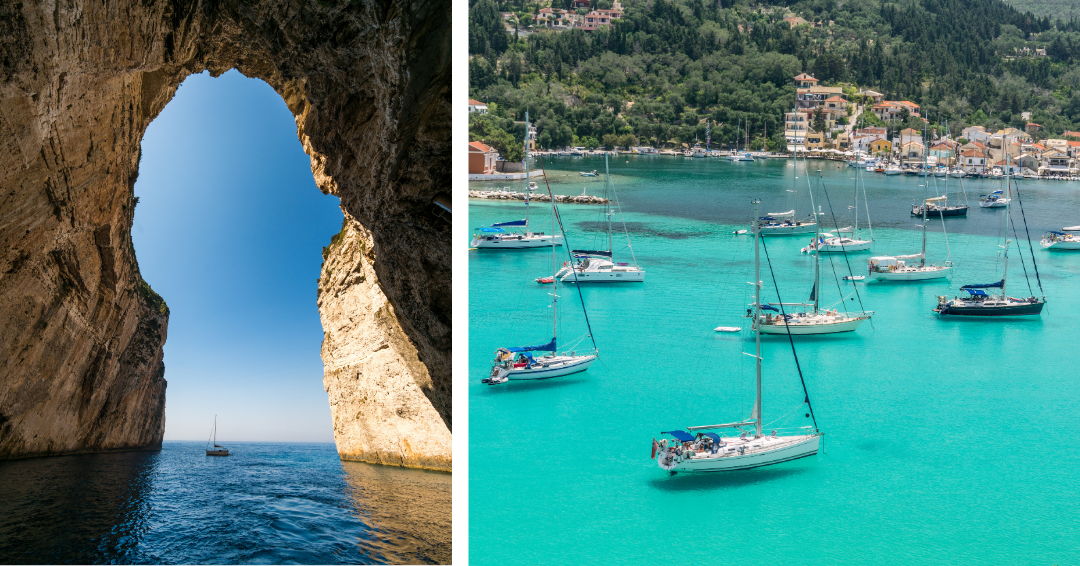
The Next Destination: Sail Greece : the Ionian Sea Flotilla | September 25 - October 2, 2027
Modern Sailing's upcoming Global Destination Flotilla to Greece’s Ionian Sea out of Corfu is an excellent entry point for your first European charter. Line-of-sight island hopping, clear turquoise waters, and predictable afternoon thermal breezes make it pure sailing bliss.
That said, Greek Port Authorities take paperwork very seriously. To take the helm in Greece, you need to bring four specific items to the check-in desk:
| Requirement Area | Standard / Metric | What You Actually Need |
|---|---|---|
| Skipper Credential | IPC, SLC, or ICC | Apply for your International Proficiency Certificate (IPC) upon receiving your ASA 104 Bareboat Cruising certification. Note: You must bring the physical card: port captains won't accept a photo on your phone. |
| Logged Sea Time | 10+ Days / 200+ NM | A documented sailing resume showing time as skipper on a vessel of similar size. |
| Designated Co-Skipper | First Mate Sign-Off | Greek law mandates a named co-skipper on the manifest who signs an official Declaration of Competence at the base. |
| Radio Operator Permit | VHF License / SRC | At least one person aboard must hold a recognized Short Range Certificate (SRC) or FCC Radio Operator Permit. (You get this as part of your ASA 104 Bareboat Cruising certification) |
To learn more about the International Proficiency Certificate or to reserve a spot on an upcoming international flotilla, contact the Modern Sailing office.
Read Captain Eric Partika's bio to read how he starting his sailing jounrey on the San Francisco Bay.